Fluid Progression
Experience a seamless flow of fundamental movements with advanced cuing for progressions, enhancing your skills and capabilities in each class session.
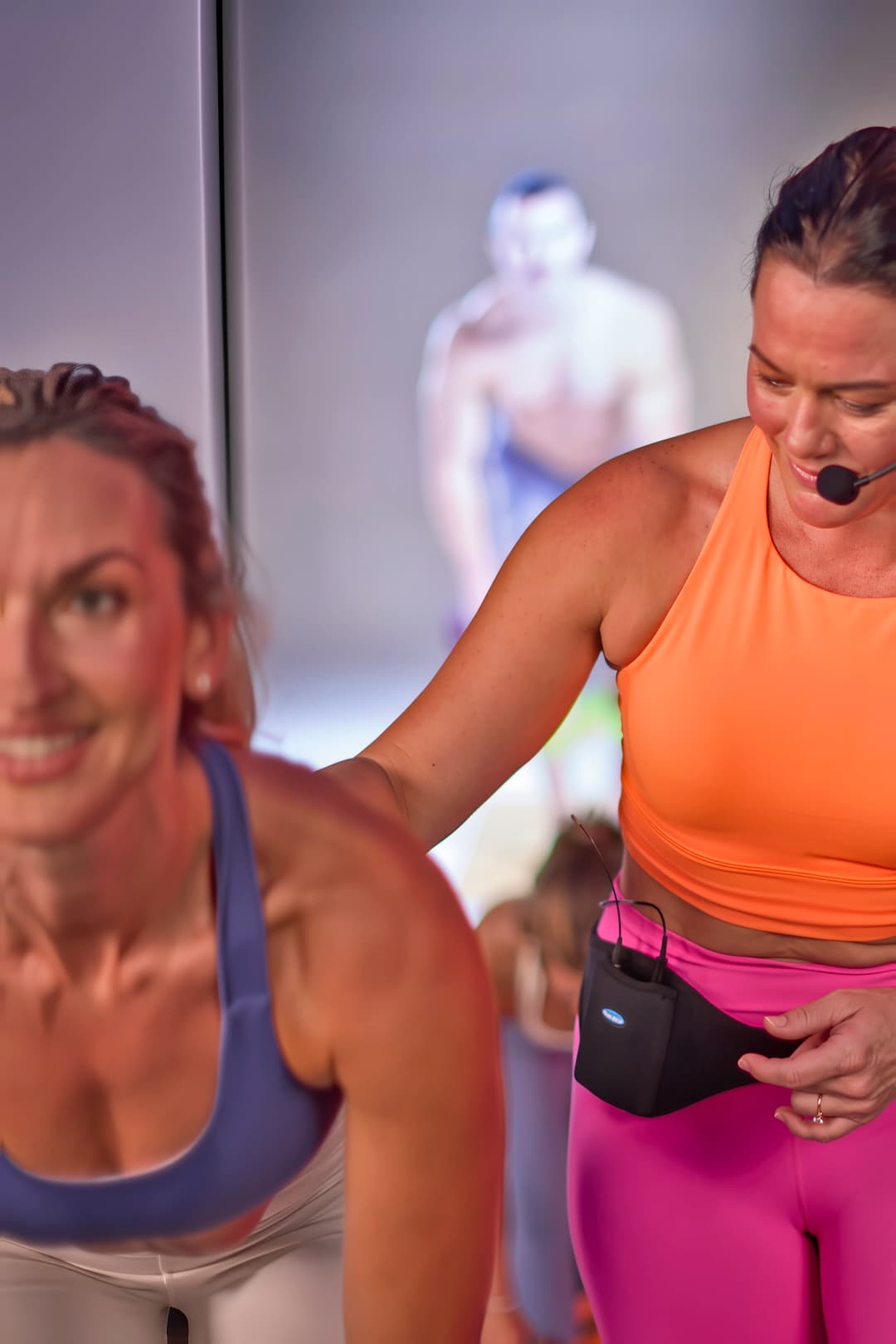
Fluid Progression is a teacher-led workshop that strings the fundamental movement patterns together into continuous flow, with cueing that walks each movement forward as you are ready for it. It runs at 85°F and 50% humidity. Where our other two movement workshops each take a pair of patterns and go deep, this one connects them and keeps them moving.
Your body is organised around six patterns: push, pull, hinge, squat, loaded carry, and ground work (the full explanation is here). Knowing each one in isolation is the first step; using them in sequence, without the stutter between shapes, is what the body does in real life and in every flowing class we run. Fluid Progression teaches that seam. An instructor ties the principles behind each pattern to the movements you already meet in class, adds the supporting work that advances your body's understanding, and offers a progression for each movement so you work at the version that fits you today rather than the version the room is doing.
What Does "Progression" Mean Here?
Every movement has a ladder. A push can be done from the knees, from the feet, or with the feet elevated, and all three are the same pattern at different demands. The instructor cues those rungs as the class moves, so the person newest to the pattern and the person who has been drilling it for a year are both working at the right edge. That is why the class does not need a level: the progression does the sorting.
How Does This Fit With the Other Workshops?
Advanced Body Dynamics teaches the squat and the push. Dynamic Core Fusion teaches the hinge and the pull. Fluid Progression takes what those sessions build and links it into continuous movement. Members often work them in that order, though nothing stops you starting here, and the progressions mean you will not be stranded if you do.
Who Fluid Progression Is For
- People who move well in pieces but not in sequence. Strength that disappears in transition is the gap this closes.
- Anyone unsure which variation is theirs. The cueing hands you the right rung instead of leaving you to guess.
- Flow practitioners who want the mechanics. The transitions in Wave and Big Bang get noticeably easier once the underlying patterns are deliberate.
- Members building a base. Fundamentals trained consistently beat complexity every time. Being new at something is where the gains live.
What to Expect
Moisture-wicking clothes and water. Mat, towel, and any equipment the session uses are provided. Expect continuous movement with an instructor talking you through it, and expect to be offered options rather than a single prescribed version of each exercise. Taking the simpler rung is the class working as designed, not a step back.
How Often
Once a week alongside your regular classes. These workshops are the ones that make the rest of your schedule work better, so they earn their place without needing to take it over.
Where to Practice
Workshop sessions rotate by studio and by day, so check the schedule for where and when this one runs.
Related reading: What Are the 6 Fundamental Movement Patterns? · Mobility vs Flexibility · Why Being Bad at Exercise Is Good for You